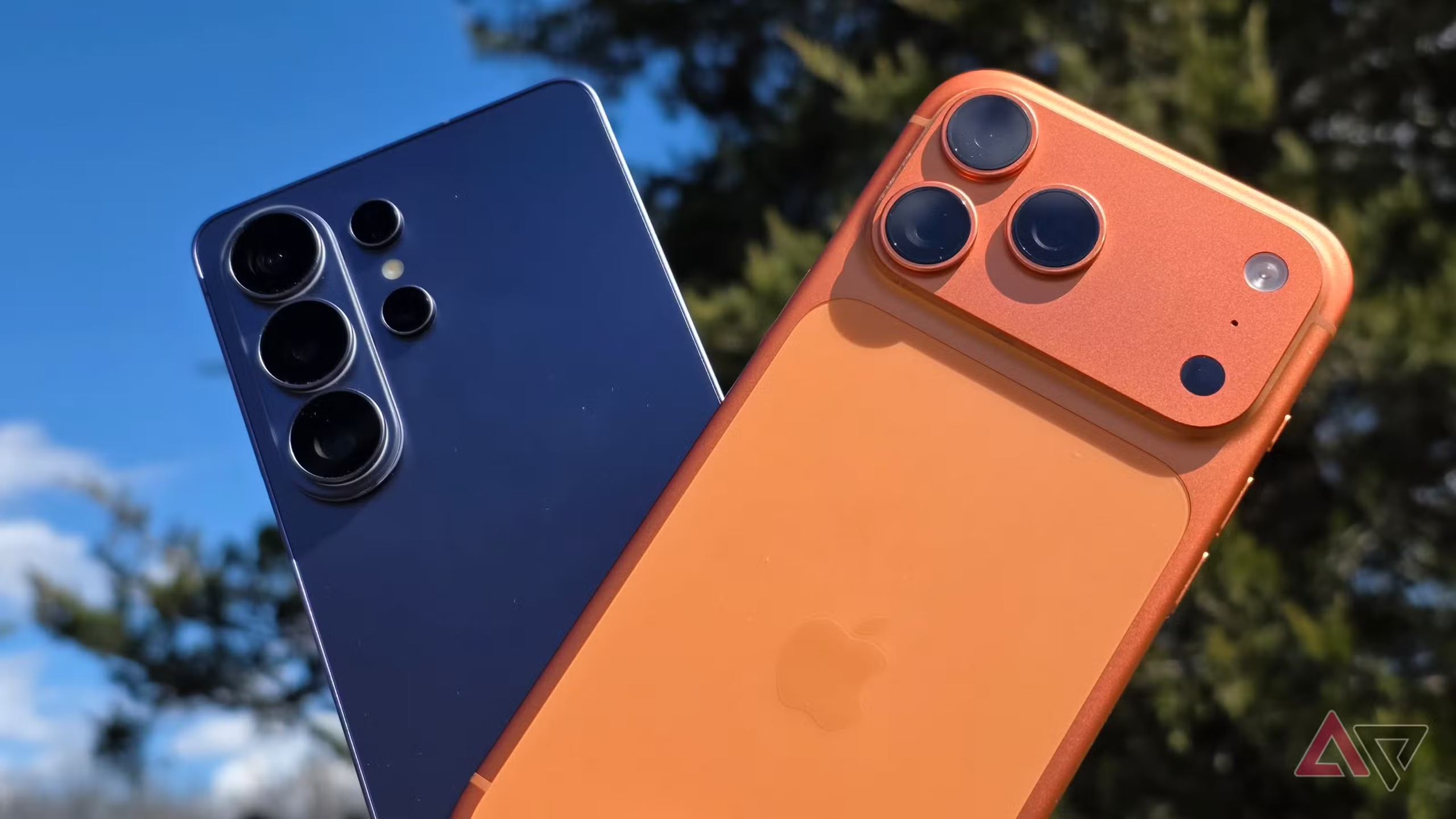

I Used the Galaxy S26 Ultra and iPhone 17 Pro Max — The Gap Is Widening
 0
0
 0
0
The flagship smartphone battle is heating up again in 2026. After spending time using both the Samsung Galaxy S26 Ultra and the iPhone 17 Pro Max, one thing becomes clear: the gap between these two premium devices is not only real — it’s widening.
This comparison dives deep into performance, camera, battery life, software, and overall user experience to help you understand which flagship truly leads the market today.
Design and Build Quality: Premium Meets Practical
Both devices showcase top-tier craftsmanship. The Galaxy S26 Ultra continues Samsung’s signature boxy, professional design with a built-in stylus, while the iPhone 17 Pro Max sticks to Apple’s refined, minimalist aesthetic.
Samsung pushes boundaries with a more functional approach — especially for productivity users. Meanwhile, Apple Inc. focuses on consistency and premium feel.
The difference? Samsung is evolving faster in terms of utility, while Apple is maintaining familiarity.
Display Technology: Samsung Still Dominates
When it comes to display, the Galaxy S26 Ultra clearly takes the lead. Its AMOLED panel offers higher brightness, better contrast, and smoother adaptive refresh rates.
Samsung has long been a leader in screen technology, and it shows. Whether you’re gaming, streaming, or multitasking, the experience feels more immersive compared to the iPhone 17 Pro Max.
Apple’s display is still excellent, but it no longer feels like the industry benchmark.
Performance and AI Capabilities
Both phones deliver flagship-level performance, but the approach differs. The iPhone 17 Pro Max, powered by Apple’s latest chip, offers unmatched optimization within the iOS ecosystem.
However, Samsung is catching up fast — especially with AI integration. The Galaxy S26 Ultra introduces more advanced on-device AI features, smarter multitasking, and better customization options.
In real-world usage, Samsung feels more flexible, while Apple feels more controlled and stable.
Camera Battle: Versatility vs Consistency
The camera system is where the gap becomes more noticeable.
Samsung equips the Galaxy S26 Ultra with cutting-edge zoom capabilities, higher megapixel sensors, and AI-enhanced photography. It excels in versatility — from ultra-wide shots to extreme zoom.
On the other hand, the iPhone 17 Pro Max focuses on color accuracy and consistency. It delivers reliable results, especially for video recording.
If you want creative freedom, Samsung wins. If you prefer predictable results, Apple still holds strong.
Battery Life and Charging Speed
Battery performance is another area where Samsung is pulling ahead. The Galaxy S26 Ultra offers:
- Faster charging speeds
- Larger battery capacity
- Better power management for heavy users
Apple continues to optimize battery through software, but charging speed remains relatively slow compared to Samsung.
For users who are always on the go, this difference is becoming more significant.
Software Experience: Freedom vs Ecosystem
The biggest philosophical difference lies in software.
- Samsung (Android): More customization, multitasking, and flexibility
- Apple (iOS): Seamless ecosystem, stability, and long-term updates
Apple’s ecosystem — including MacBook, iPad, and Apple Watch — remains unmatched. However, Samsung is rapidly building its own ecosystem and closing the gap.
Still, for users who value control and features, Samsung is gaining the upper hand.
The Gap Is Widening — But in What Direction?
After using both devices extensively, it’s clear that the gap is widening in terms of innovation and flexibility — and Samsung is leading that charge.
Apple is no longer dramatically ahead. Instead, it’s playing a more conservative game, refining what already works.
Samsung, on the other hand, is pushing boundaries with AI, display, and hardware advancements.
Final Verdict
The battle between the Samsung Galaxy S26 Ultra and iPhone 17 Pro Max is closer than ever — but also more divided.
- Choose Samsung if you want innovation, power, and flexibility
- Choose Apple if you want stability, ecosystem, and consistency
In 2026, the smartphone war isn’t about which is better overall — it’s about which experience fits you best.
But one thing is certain: the competition is no longer equal, and the gap is definitely widening.


